

Content optimization
03.03.2016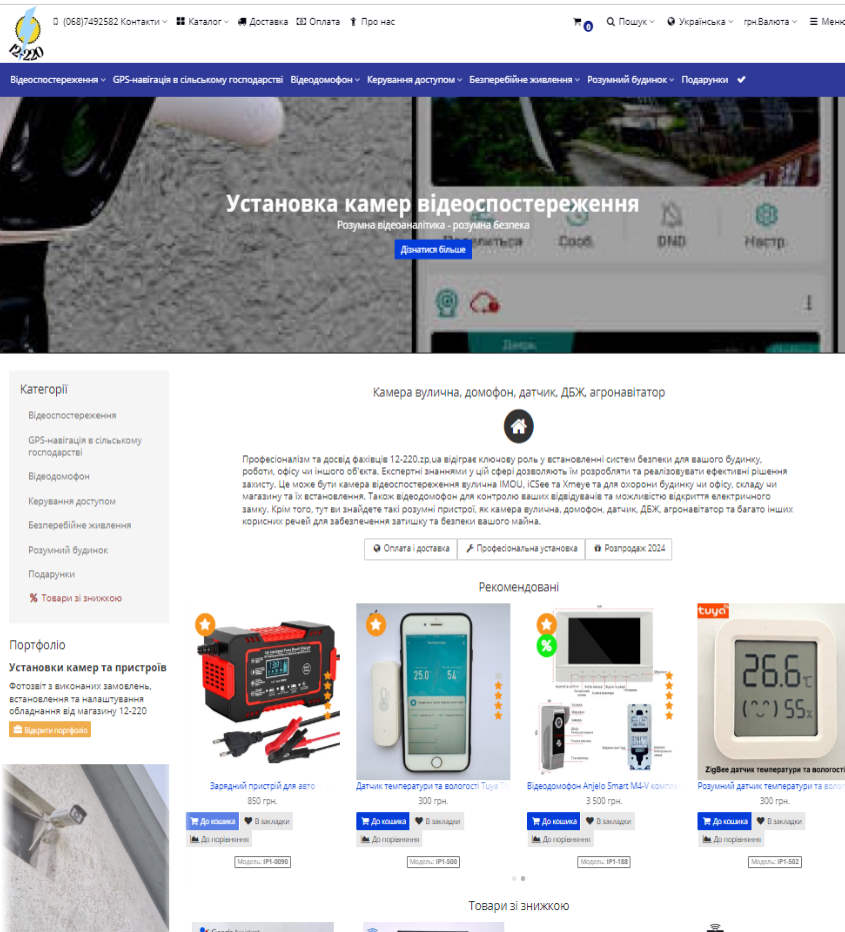
Creating a Hardworking E-commerce Website
A hardworking e-commerce website is one that not only looks good but also effectively converts visitors into customers. Here are some key elements to consider when creating your e-commerce platform:
1. User Experience (UX)
- Intuitive Navigation: Make it easy for customers to find what they're looking for.
- Clear Product Information: Provide detailed descriptions, high-quality images, and customer reviews.
- Secure Checkout: Ensure a safe and seamless checkout process.
- Mobile Optimization: Design your website to be responsive and user-friendly on all devices.
2. SEO Optimization
- Keyword Research: Identify relevant keywords and incorporate them naturally into your content.
- On-Page SEO: Optimize your product pages, category pages, and blog posts for search engines.
- Technical SEO: Ensure your website is technically sound and crawlable by search engines.
- Link Building: Acquire high-quality backlinks from other reputable websites.
3. Product Photography
- High-Quality Images: Use professional-grade images that showcase your products in the best possible light.
- Multiple Angles: Provide images from various angles to give customers a complete view.
- Lifestyle Shots: Show your products in use to create a sense of desire.
4. Payment and Shipping Options
- Multiple Payment Methods: Offer a variety of payment options to cater to different preferences.
- Secure Transactions: Use SSL encryption to protect customer data.
- Clear Shipping Policies: Clearly outline your shipping costs, delivery times, and return policies.
5. Customer Service
- Responsive Support: Provide timely and helpful customer support through various channels (e.g., email, live chat, phone).
- Easy Returns: Offer a hassle-free return policy to build trust.
- Personalized Service: Treat each customer as an individual and address their specific needs.
6. Marketing and Promotion
- Email Marketing: Build an email list and send targeted campaigns to promote products and sales.
- Social Media: Engage with your audience on social media platforms and share your products.
- Content Marketing: Create valuable content (e.g., blog posts, videos) to attract and engage visitors.
- Paid Advertising: Utilize paid advertising channels like Google Ads and social media ads to reach a wider audience.
By focusing on these areas, you can create an e-commerce website that not only looks good but also effectively drives sales and builds customer loyalty.

Would you like to delve deeper into any of these aspects or decide specific challenges you're facing?
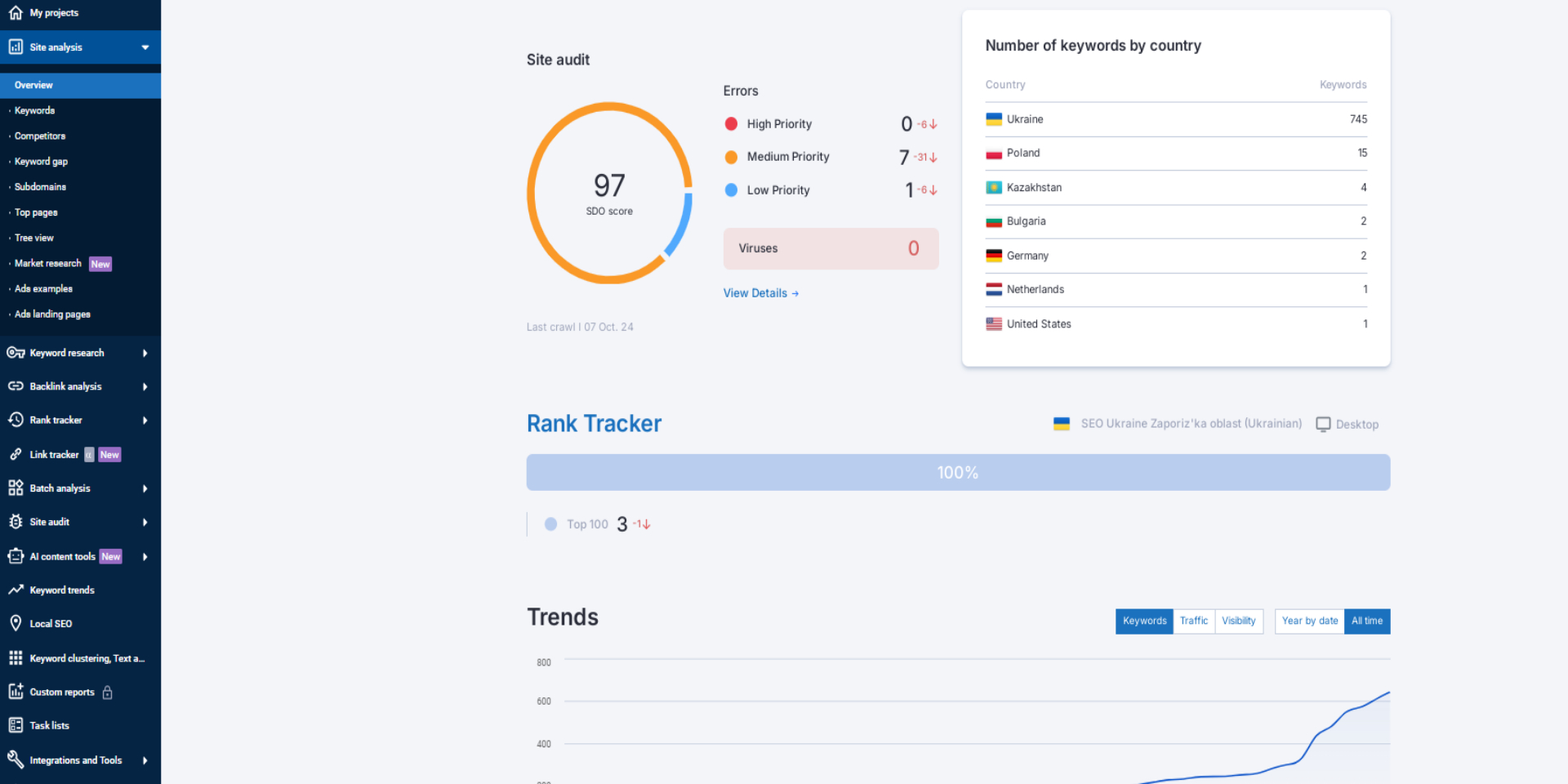
- Keyword Research: Identify the primary keywords and related terms that your target audience is likely to use.
- Keyword Analysis: Analyze the search volume, competition, and relevance of each keyword.
- Semantic Relationships: Group keywords based on their semantic relationships and create a hierarchical structure.
- Content Integration: Incorporate your semantic core keywords naturally into your website's content, including titles, headings, meta descriptions, and body text.

Optimize for Search Engines
Keyword Research: Identify relevant keywords and incorporate them naturally into your content. Meta Descriptions. On-Page Optimization Backlink Building.

Social Media Promotion
Sharing Your Content: Promote your blog posts on social media platforms. Engage with Your Audience: Respond to comments and messages promptly. Run Contests and Giveaways: Encourage social sharing and engagement.

Monetization Strategies
Affiliate Marketing: Promote products or services and earn a commission. Advertising: Display ads on your website to generate revenue. Sponsored Content: Partner with brands to create sponsored content.